
Bulletin
Henry “Hank” Srednicki, Ph.D., CSAT, is a New York and New Jersey licensed psychologist specializing in Obsessive Compulsive Disorder (OCD) and the full spectrum of anxiety and compulsive-related disorders, such as Trichotillomania and Body Dysmorphic Disorder. Dr. Srednicki brings advanced expertise to the treatment of HOCD, POCD, ROCD, Compulsive Hypersexuality, and Sex Addiction. He also offers evidence-based care to individuals recovering from Betrayal Trauma.
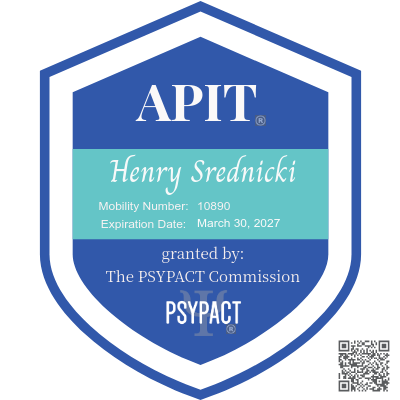
Dr. Srednicki holds the Authority to Practice Interjurisdictional Telepsychology (APIT) through PSYPACT®, which allows him to provide secure, HIPAA-compliant telehealth services across 42+ participating states and territories. This credential expands access to specialized behavioral treatment and ensures continuity of care for clients who travel, relocate, or maintain multiple residences. PSYPACT allows licensed psychologists who meet rigorous standards to practice telepsychology in participating states without having to obtain additional licenses.
See the list of PSYPACT participating states
Dr. Hank Srednicki
SET YOURSELF FREE FROM THE OCD TRAP
Through secure video sessions, Dr. Hank Srednicki is here to help you live a normal, independent life by using state-of-the-art advancements, scientifically-proven techniques, and an empathetic approach to treat Obsessive Compulsive Disorder (OCD).
Why Work With an OCD Specialist
OCD is highly treatable — but only with the right approach. Many people spend years in therapy without improvement because they never received specialized, evidence-based treatment. OCD requires a clinician trained specifically in Exposure and Response Prevention (ERP) and the nuances of intrusive thoughts, compulsions, and avoidance patterns.
An OCD specialist understands how OCD works, how it hides, and how to treat it effectively.
OCD Needs More Than General Talk Therapy
Traditional therapy often unintentionally reinforces OCD by offering reassurance, cognitive debate, or emotional processing. A specialist provides:
- ERP tailored to your symptoms
- Clear strategies to reduce compulsions
- Structured, measurable progress
- Treatment that targets the OCD cycle — not just the anxiety
This is the difference between temporary relief and real change.
Expertise With All OCD Subtypes
OCD can attach to any theme, including those that feel uncomfortable or taboo. A specialist recognizes and treats all presentations, including:
- Harm OCD
- Relationship & Sexual Orientation OCD
- Contamination & Health Anxiety
- “Just Right” OCD
- Scrupulosity
- Postpartum OCD
- Intrusive sexual or violent thoughts
These symptoms are common, treatable, and not a reflection of who you are.
Accurate Diagnosis, Effective Treatment
OCD is frequently misdiagnosed as generalized anxiety, trauma, ADHD, or depression. A specialist can differentiate OCD from other conditions and design a treatment plan that works — efficiently and compassionately.
You Deserve Treatment That Works
With the right care, people with OCD get better. Working with a specialist ensures you receive:
- Evidence-based ERP
- A clear, structured plan
- Skills that last long after therapy ends
- Relief from intrusive thoughts and compulsions
If you're ready to move toward recovery, specialized OCD treatment can help you reclaim your life.
Dr. Hank Srednicki Offers Specialized Virtual OCD Treatment via Secure Telehealth and Is Authorized to Treat Patients in the Following 42 States and Territories
- Alabama
- Arizona
- Arkansas
- Colorado
- Connecticut
- Delaware
- District of Columbia (Washington D.C.)
- Florida
- Georgia
- Idaho
- Illinois
- Indiana
- Kansas
- Kentucky
- Maine
- Maryland
- Michigan
- Minnesota
- Mississippi
- Missouri
- Montana
- Nebraska
- Nevada
- New Hampshire
- New Jersey
- North Carolina
- North Dakota
- Ohio
- Oklahoma
- Pennsylvania
- Rhode Island
- South Carolina
- South Dakota
- Tennessee
- Texas
- Utah
- Vermont
- Virginia
- Washington
- West Virginia
- Wisconsin
- Wyoming
New York residents: Dr. Srednicki is licensed in New York and offers secure telehealth sessions statewide.
Dr. Hank's Program of Treatment May Include the Following:
 Exposure and Response Prevention (ERP)
A highly effective, evidence-based therapy that helps patients face feared situations while refraining from compulsive behaviors.
 Inference-Based Cognitive Behavior Therapy (I-CBT)
A specialized approach targeting the reasoning processes that lead to obsessional doubt in OCD.
 Cognitive Behavior Therapy (CBT)
Identifies and challenges unhelpful thought patterns, developing strategies to manage distress and change behavior.
 Acceptance and Commitment Therapy (ACT)
Teaches psychological flexibility by accepting difficult thoughts and feelings while committing to value-driven action.
 Therapy for Phobias
Specialized exposure-based treatment to help individuals overcome intense, irrational fears that disrupt daily life.
 Group Therapy for OCD
A supportive setting where participants work together using evidence-based techniques under professional guidance.
SOME OF THE MORE COMMON PROBLEMS WE TREAT
WE’RE HERE TO HELP YOU
LEARN THE RIGHT STRATEGIES TO SET YOURSELF FREE.
You have more control than you think.
Secure video sessions in New York, New Jersey & 40+ PSYPACT states
973-744-9130
CONTACT NOW!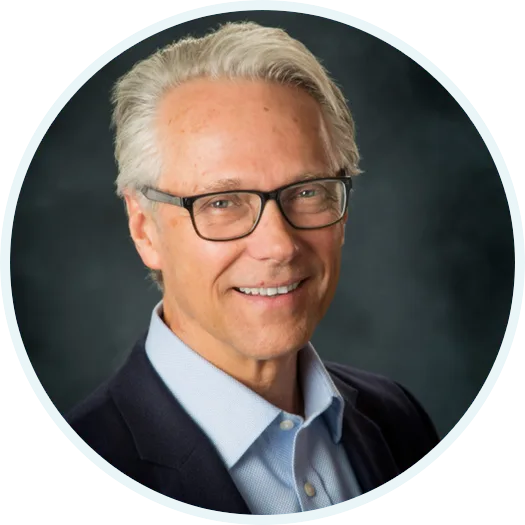 Dr. Hank Srednicki