When OCD Targets Gender Identity
Gender Identity OCD — also known as GOCD — involves intrusive, unwanted doubts and obsessions about one's gender identity. Individuals with GOCD are not questioning their gender in an authentic or exploratory way. Instead, they are tormented by relentless, ego-dystonic thoughts that conflict with their sense of self and cause extreme distress.
Not Gender Dysphoria — OCD
GOCD is frequently misunderstood and misdiagnosed. The doubts feel urgent and terrifying, but they are symptoms of OCD — not genuine gender exploration. Like all forms of OCD, reassurance-seeking and avoidance only make the obsessions stronger over time.
Intrusive doubts about whether you are really your identified gender
Fear that you may secretly want to be a different gender
Compulsive checking, mirror-gazing, or seeking reassurance about gender
~ Common Obsessions in Gender Identity OCD
GOCD obsessions are intrusive, repetitive, and cause significant distress. Common themes include:
- Fear of being in the wrong body or the wrong gender
- Doubts about whether gender identity is real or authentic
- Intrusive thoughts about transitioning or wishing to be a different gender
- Fear of misrepresenting oneself to others
- Checking physical characteristics or mannerisms for evidence
- Seeking reassurance from friends, family, or online searches
- Mental reviewing and comparing to others
- Avoidance of gender-related media, conversations, or people
~ Why GOCD Is Easily Misdiagnosed
GOCD can be confused with genuine gender dysphoria, making accurate diagnosis critical. Key differences: GOCD thoughts are ego-dystonic (unwanted, distressing, inconsistent with the person's sense of self), while gender dysphoria involves a persistent, authentic sense of incongruence. A specialist trained in OCD can help distinguish between the two. Misapplied treatment — such as encouraging identity exploration when OCD is the driver — can significantly worsen symptoms.
~ Effective Treatment for Gender Identity OCD
The gold-standard treatment for GOCD is Exposure and Response Prevention (ERP) therapy. ERP helps individuals tolerate the uncertainty of intrusive gender-related thoughts without performing compulsions — breaking the OCD cycle and reducing distress over time.
At the New York-New Jersey Center for OCD, Dr. Hank Srednicki has specialized expertise in treating Gender Identity OCD. With a deep understanding of how OCD targets identity, Dr. Srednicki provides compassionate, evidence-based care that helps patients reclaim their sense of self and live fully — free from the grip of intrusive thoughts.
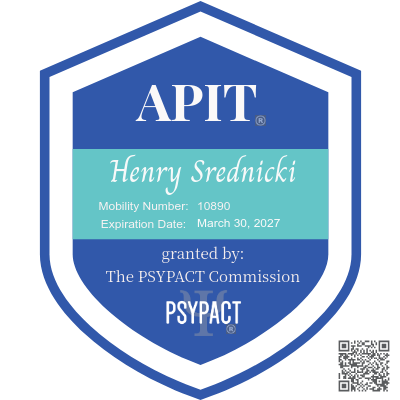
Dr. Srednicki Offers Specialized Virtual OCD Treatment via Secure Telehealth and is Authorized to Treat Patients in the Following 42 States
- Alabama
- Arizona
- Arkansas
- Colorado
- Connecticut
- Delaware
- District of Columbia (Washington D.C.)
- Florida
- Georgia
- Idaho
- Illinois
- Indiana
- Kansas
- Kentucky
- Maine
- Maryland
- Michigan
- Minnesota
- Mississippi
- Missouri
- Montana
- Nebraska
- Nevada
- New Hampshire
- New Jersey
- North Carolina
- North Dakota
- Ohio
- Oklahoma
- Pennsylvania
- Rhode Island
- South Carolina
- South Dakota
- Tennessee
- Texas
- Utah
- Vermont
- Virginia
- Washington
- West Virginia
- Wisconsin
- Wyoming
WE’RE HERE TO HELP YOU
LEARN THE RIGHT STRATEGIES TO SET YOURSELF FREE.
You have more control than you think.
Secure video sessions in New York, New Jersey & 40+ PSYPACT states
973-744-9130
CONTACT NOW! Dr. Hank Srednicki